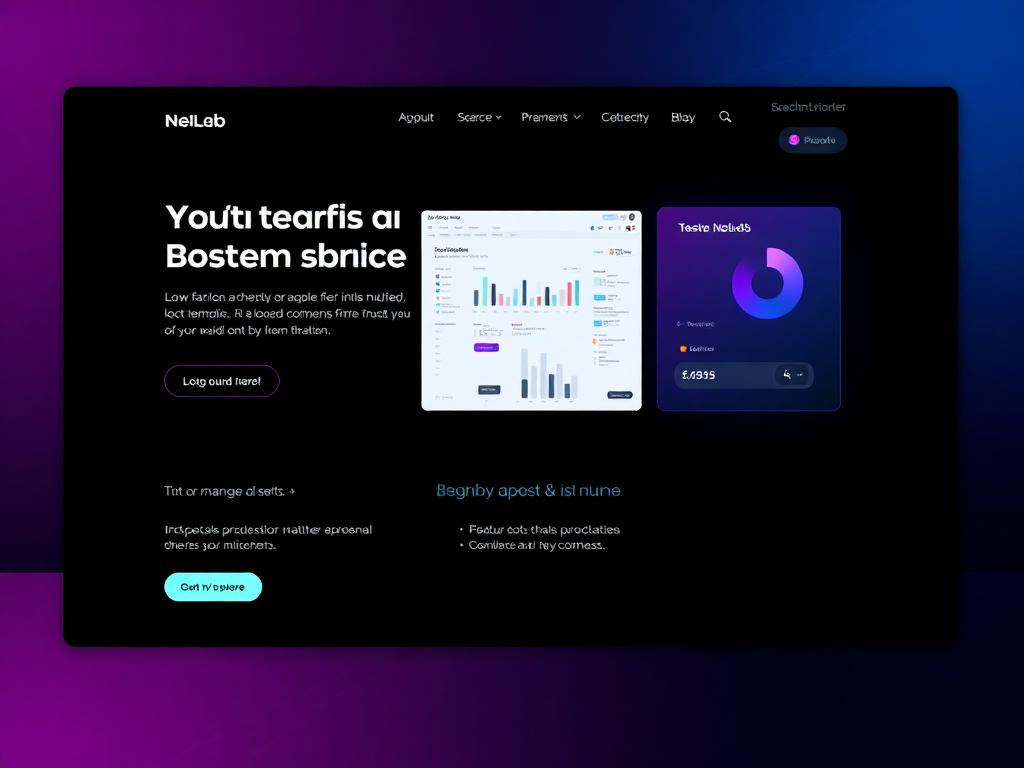
Design systems that developers actually use
A component library earns adoption through tokens, docs and boring consistency — not through the beauty of its Figma file.
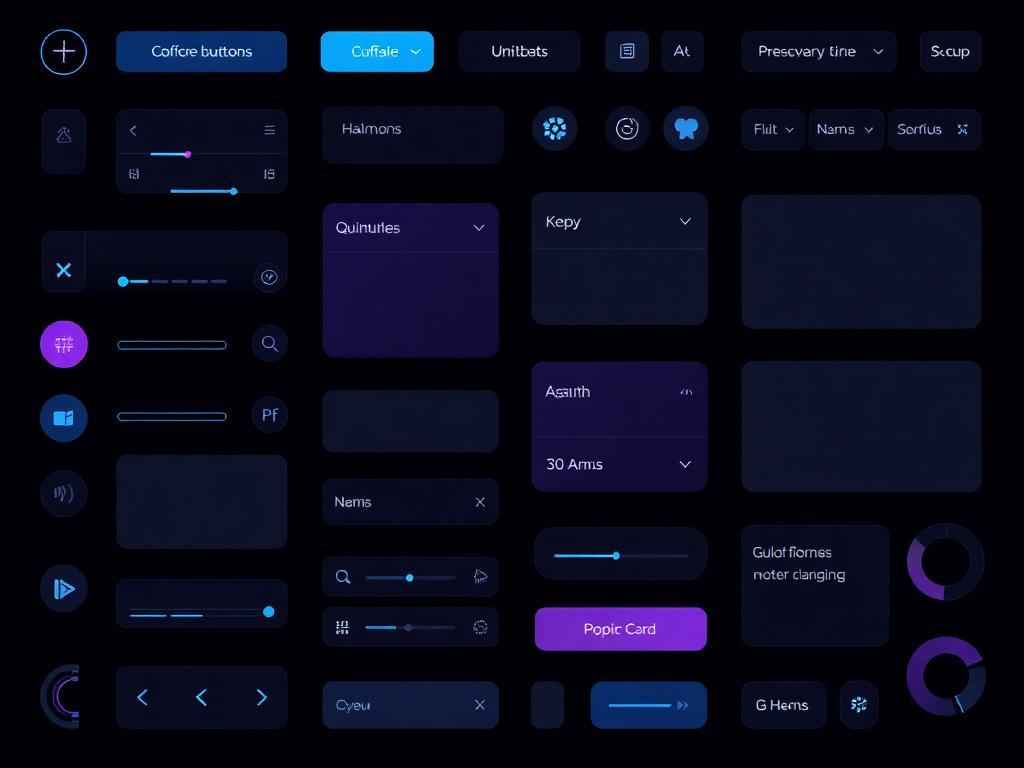
Most design systems die in the gap between the design file and the codebase. Designers maintain one source of truth, engineers another, and within two quarters nobody trusts either.
The systems that survive share three traits. First, decisions live in tokens — color, spacing, radius, motion — so a brand change is a variable edit rather than a migration. Second, every component documents its own states: hover, focus, disabled, loading, empty, error. Third, contribution has a paved road, with a template PR and a review checklist.
Boring consistency beats clever composition. A team that can predict what the twentieth card looks like from the first nineteen ships faster than a team with five bespoke layouts per page.
When we deliver Buildifyn UI systems, handoff is not a zip of frames. Engineers get annotated specs, motion values, and edge-case matrices, so implementation is translation rather than invention.